一条自我建构的建筑学习路径A self-directed architectural education
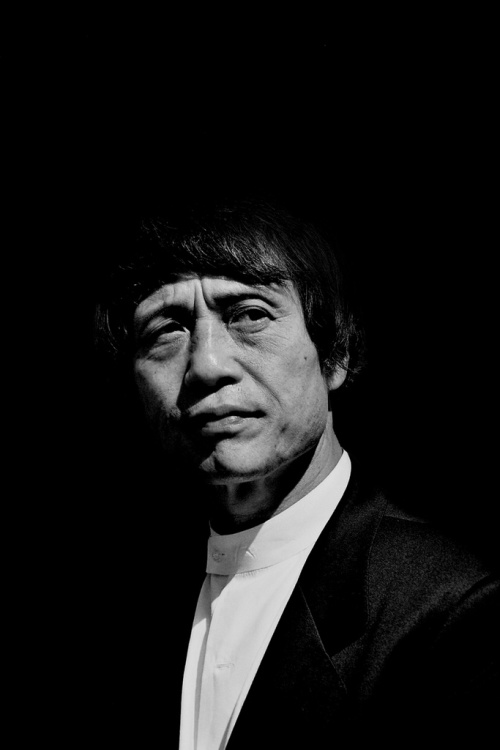
安藤忠雄1941年出生于大阪,通过阅读、旅行和对建筑的实地观察形成了自学成才的建筑道路。他于1969年在大阪成立事务所。这种独立经历使他的建筑不依附于特定流派,而是建立在对建造、比例与生活体验的持续观察上。
Born in Osaka in 1941, Tadao Ando developed as a self-taught architect through reading, travel and direct study of buildings. He established his practice in Osaka in 1969. This independent formation helped produce an architecture grounded less in stylistic affiliation than in close observation of construction, proportion and lived experience.
混凝土既是结构也是氛围Concrete as structure and atmosphere
安藤忠雄常与精细浇筑的清水混凝土联系在一起,但材料克制只是其方法的一部分。墙体建立边界和行进序列,受控开口引入变化的光线,庭院、水面与植物则让封闭空间重新连接自然条件。空间因此严谨,却不显拥挤。
Ando is closely associated with finely cast exposed concrete, but material restraint is only one part of his method. Walls establish boundaries and sequences; controlled openings admit changing light; courts, water and planted ground reconnect enclosed rooms with natural conditions. The resulting spaces are exacting without being visually crowded.
由行进体验塑造建筑Buildings shaped through movement
住吉的长屋、光之教堂、水之教堂以及直岛的美术馆项目,都体现了动线如何成为建筑工具。人在转折、压缩、昏暗与释放之间移动,最终抵达景观或被照亮的界面。1995年,他凭借连接现代建造与日本空间传统的实践获得普利兹克建筑奖。
Projects such as Azuma House, Church of the Light, Church on the Water and the museums of Naoshima demonstrate how circulation becomes an architectural instrument. The visitor encounters turns, compression, darkness and release before arriving at a view or illuminated surface. In 1995, Ando received the Pritzker Architecture Prize for a body of work that joins modern construction with Japanese spatial traditions.
资料来源与肖像署名
资料来源:普利兹克建筑奖与纽约现代艺术博物馆,核验日期:2026年9月23日。
肖像:Christopher Schriner,经 Wikimedia Commons 提供,CC BY-SA 2.0,已按许可署名使用。