GUIDES · INTERIOR DESIGN STYLES · SEPTEMBER 2026
A dark timber chair, a brass floor lamp and a teak sideboard do not automatically make a mid-century-inspired interior. What gives the style depth is the relationship between furniture scale, empty space, material ageing and contemporary life.
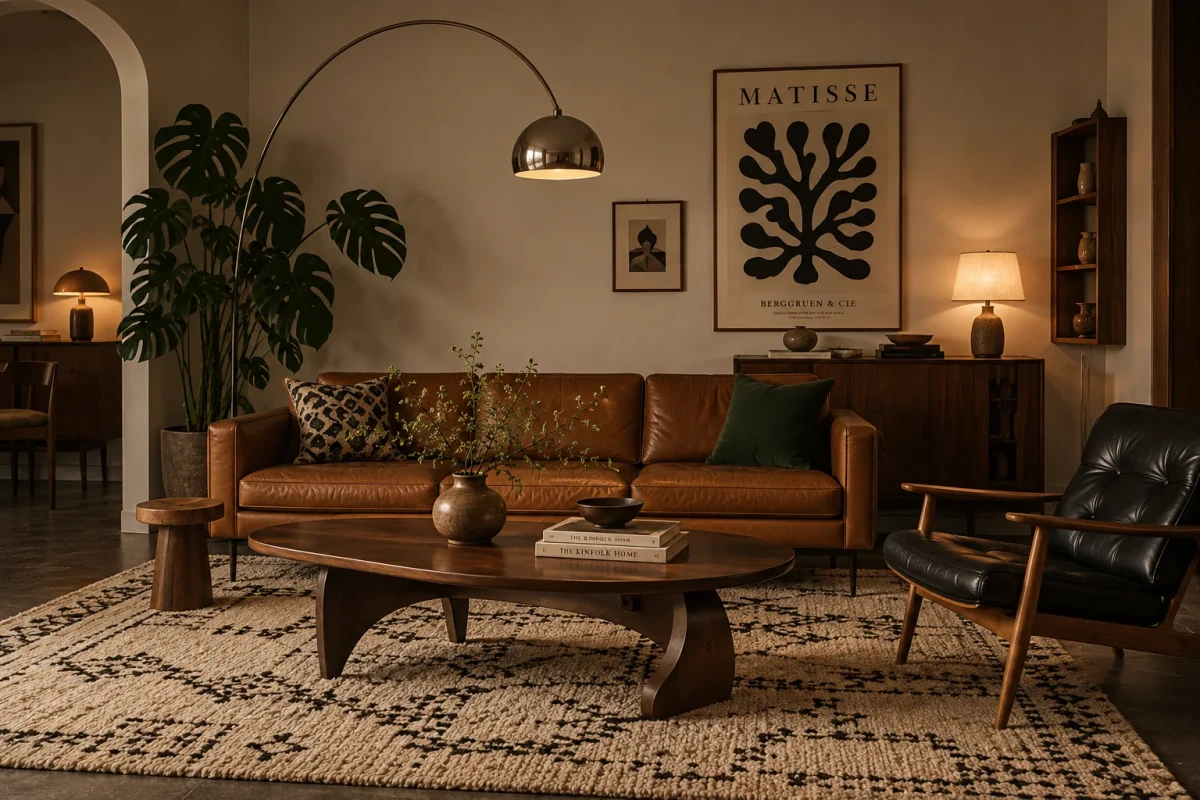
What do we mean by vintage modern style?
The Chinese market term zhonggu style often combines Mid-century Modern furniture, postwar interiors and aspects of European and Japanese vintage culture. It is not a single historical movement and should not be reduced to an old-fashioned look.
Its useful principles are structural clarity, human scale, honest materials and practical responses to modern life. A piece belongs in the room because of its relationship to space and use, not simply because of its date.
Origins and renewed appeal
Mid-century design was created for a changing world, not for nostalgia. Postwar housing, industrial production and new domestic patterns encouraged designers to use materials efficiently and reconsider everyday furniture. The Eameses experimented with moulded plywood, George Nelson studied storage systems and Florence Knoll treated planning, textiles, colour and furniture as one interior system.
Its present revival also reflects fatigue with disposable trends. Repairable materials, legible construction and long service life offer a more durable idea of modern living.
The spatial framework comes first
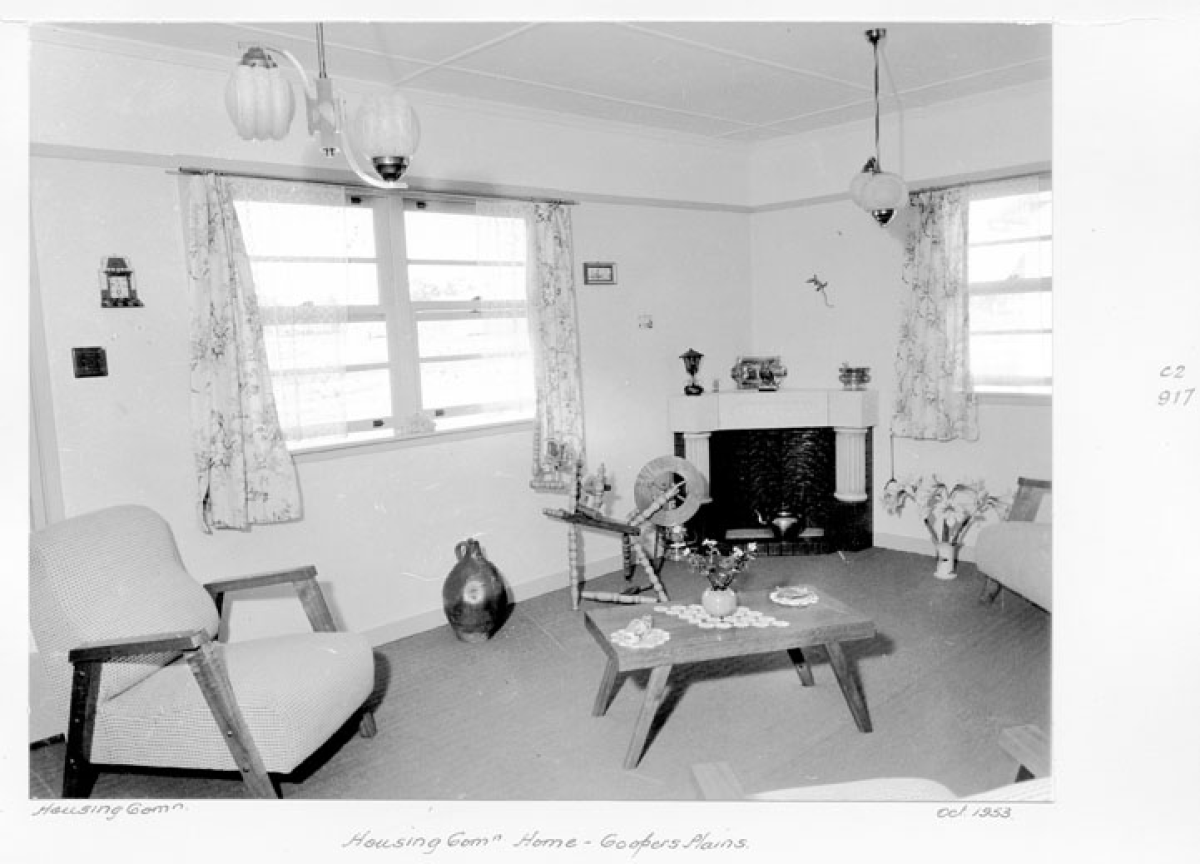
Low visual weight, raised furniture and continuous floor area help the eye move through a room. Filling a compact apartment with oversized icons can destroy the openness these pieces were designed to create.
Begin with one dominant item and build a hierarchy around it. Keep circulation clear, leave breathing room near windows and let some furniture move away from the walls.
Scale matters more than age
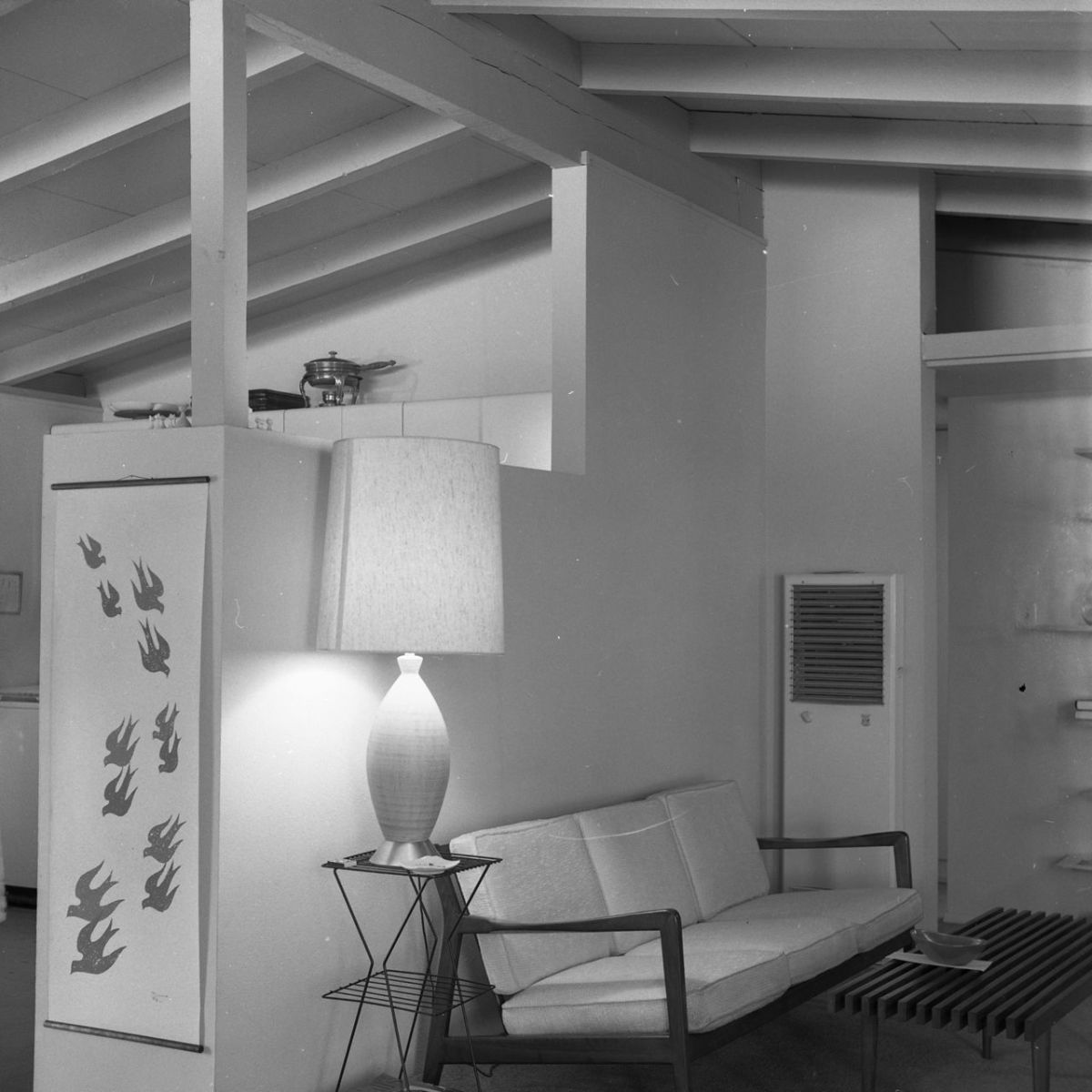
Seat height, depth, armrests and back support must suit actual bodies. Low seating may look elegant but can be difficult for older users. Slim legs reduce visual mass, but an entire room of delicate furniture can feel fragmented.
Balance solid and light forms: a rectilinear sofa with a curved chair, or a substantial timber cabinet with a thin metal lamp.
Dark timber is not a definition
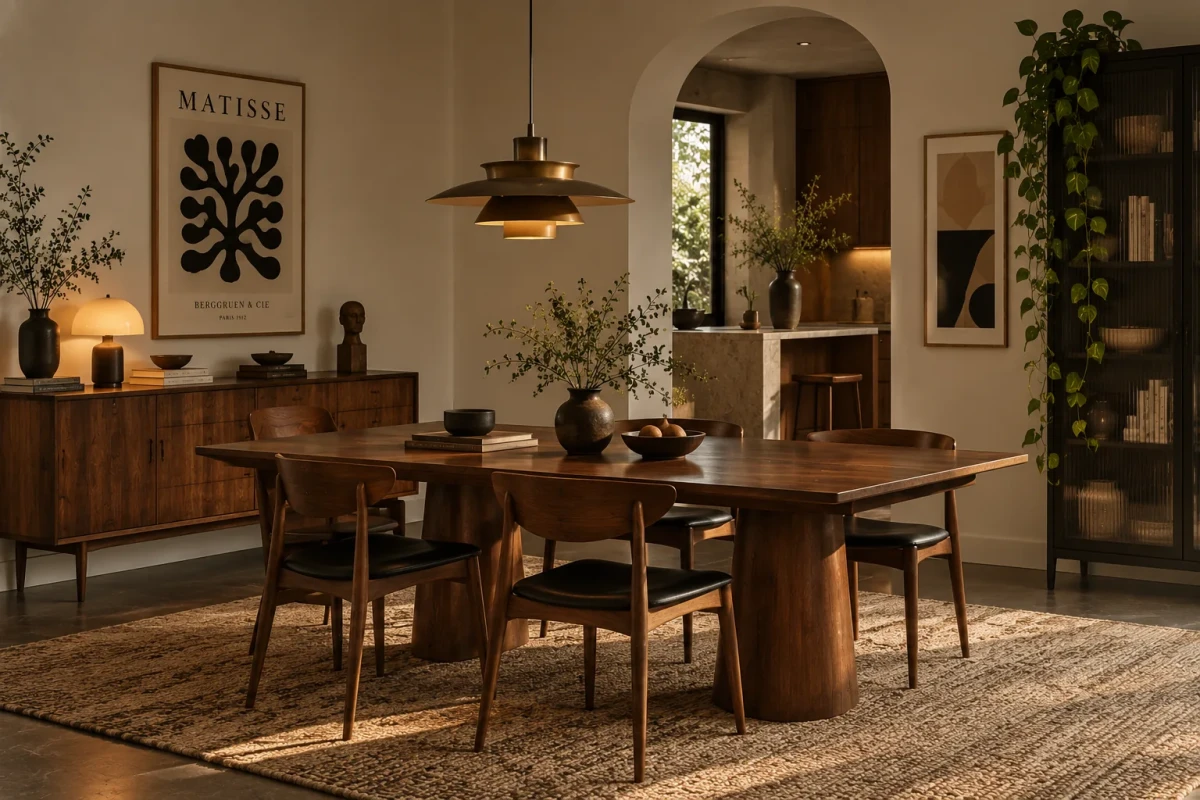
Walnut, teak and oak differ in grain, undertone and reflectivity. When floors, doors, joinery and furniture share one dark brown, the interior loses depth. Use stable background timber and reserve stronger colour or grain for a few focal pieces.
Wool, linen and leather soften timber; glass and metal add lightness. Authentic patina develops through different rates of ageing, not through a uniform distressed finish.
Lighting separates warmth from gloom
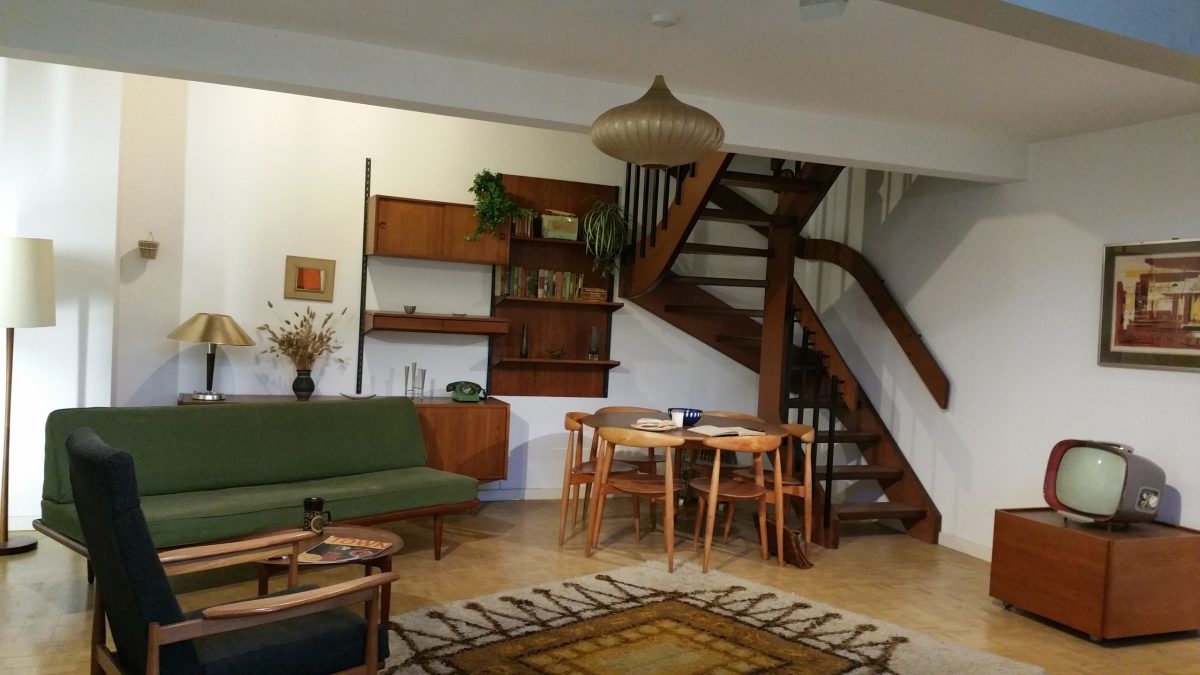
Warm colour temperature cannot replace lighting design. Combine daylight, ambient light, task lighting and limited accent light. High colour rendering remains essential for timber and textiles.
Floor and table lamps bring illumination down to the height of reading, conversation and display. Their value lies in how light reveals texture and shadow, not in looking retro.
Display life, not a theme
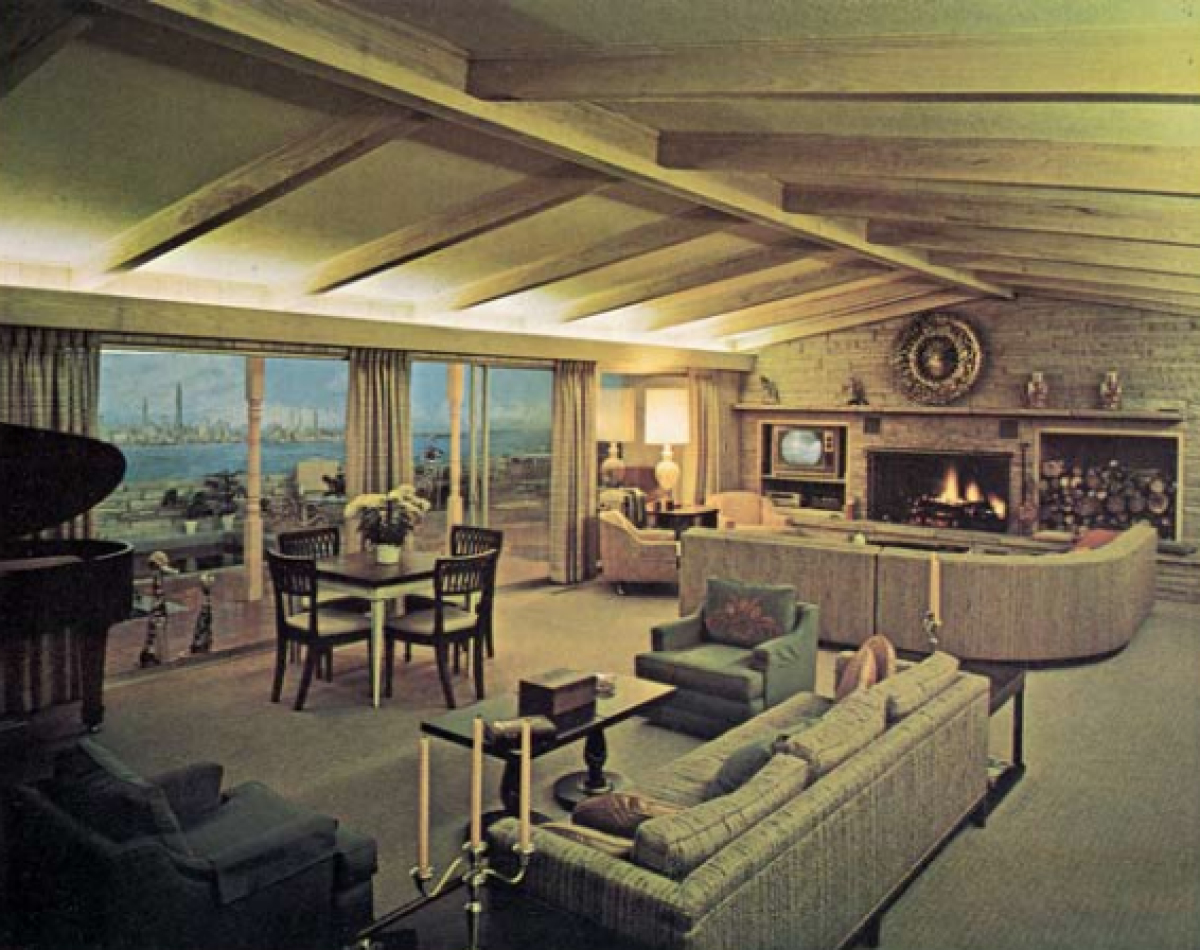
Books, ceramics and collected objects work because they reveal a life. A coordinated set of typewriters, cameras and retro posters turns the home into a themed shop.
New work, vintage furniture and ordinary possessions should coexist. The style gains meaning when objects from different periods remain useful together.
What the key designers really left us
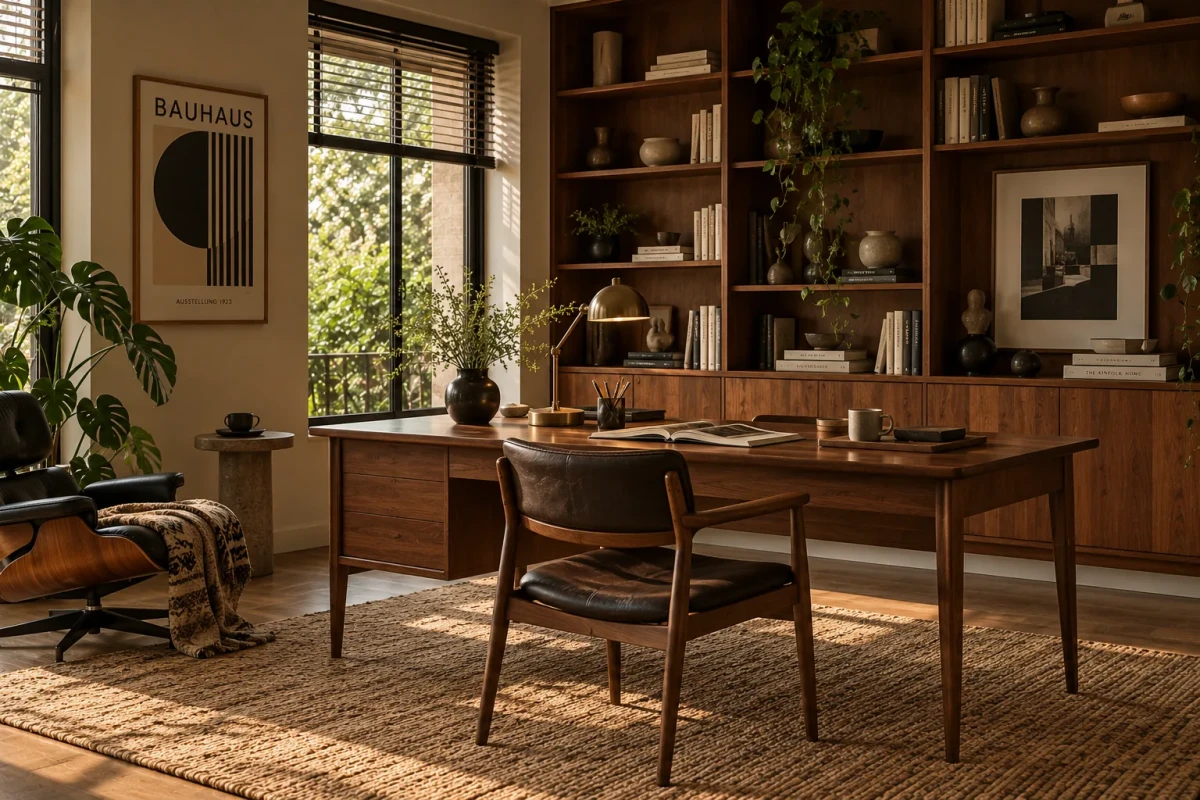
Charles and Ray Eames left a method of material experimentation; George Nelson treated storage as spatial infrastructure; Florence Knoll integrated planning, materials and furniture; Isamu Noguchi showed that functional objects can also shift a room’s sculptural centre.
Their shared lesson is a process: begin with behaviour, understand material and production, then connect furniture to architecture.
How to use it at home
Start with layout rather than shopping.
- Choose one principal piece and control the scale around it.
- Keep circulation and window edges clear.
- Limit the room to one or two dominant timber families.
- Add task lighting where reading, dining and conversation happen.
- Inspect structure and repair costs before buying vintage furniture.
- Keep personal books and objects instead of buying coordinated retro props.
How designers can translate it now
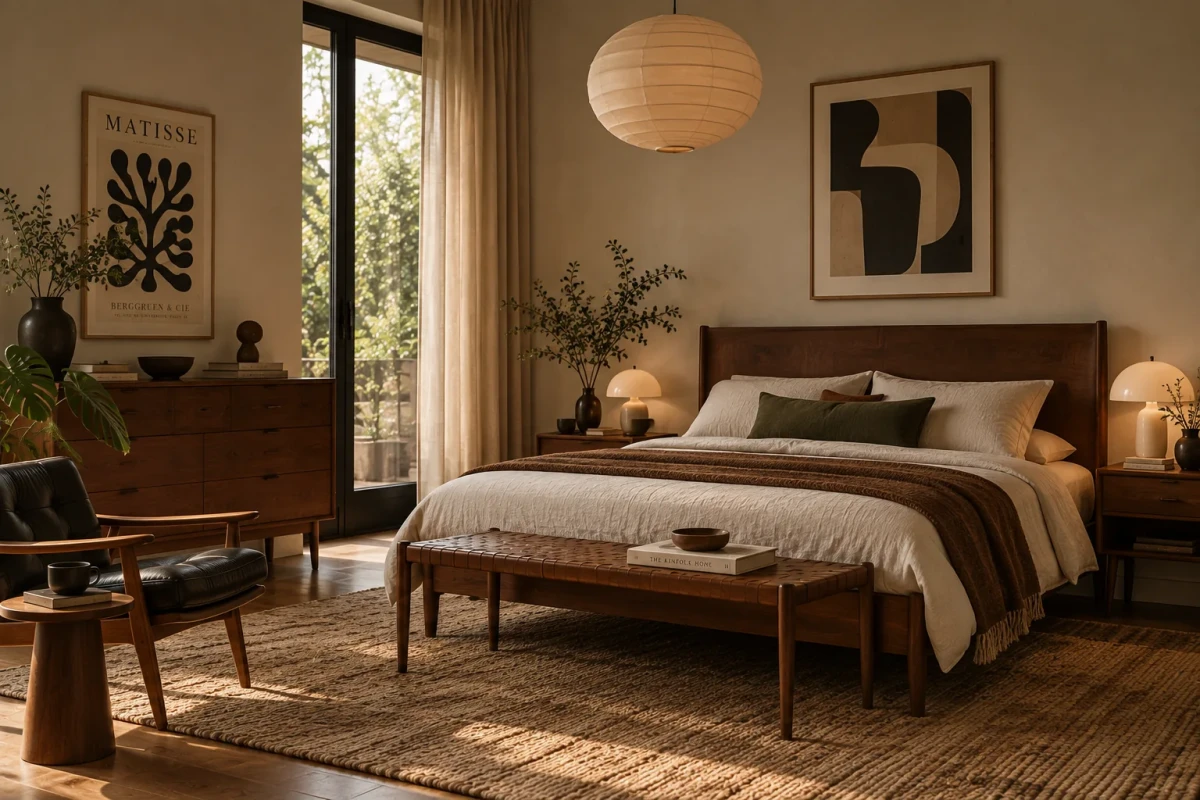
Preserve low visual weight, clear structure and honest materials, but adapt them to present-day storage, maintenance, accessibility and technology. Building services should be integrated, not disguised as period objects.
Keep fixed finishes restrained so furniture and art can change. The language should also shift between residential, hospitality and retail projects rather than becoming a universal filter.
Common failures
- Covering every surface in dark timber.
- Buying icons without planning circulation.
- Using yellow light instead of layered illumination.
- Pursuing period purity at the expense of real life.
- Ignoring charging, media, cleaning, storage and comfort.
A quick test
The room can feel convincingly vintage modern without a single expensive collectible.
- Does the furniture fit the room and the users?
- Can the eye move past furniture toward windows and continuous surfaces?
- Do light materials and empty space balance dark timber?
- Can new, old and everyday objects coexist?
- Does lighting support activity rather than merely look warm?
- Can the room evolve over time?
Time cannot be manufactured in advance
The appeal of this style lies in furniture that can remain useful, materials that age honestly and rooms that are not fully defined on completion.
A sense of time is not a distressed finish. It is the space a design leaves for future life.