FEATURE · SMART HOME · INTERIOR DESIGN
When lighting, curtains, climate, security and appliances respond together to human behaviour, interior design is shaping a system embedded in walls, ceilings, joinery, networks and everyday routines.
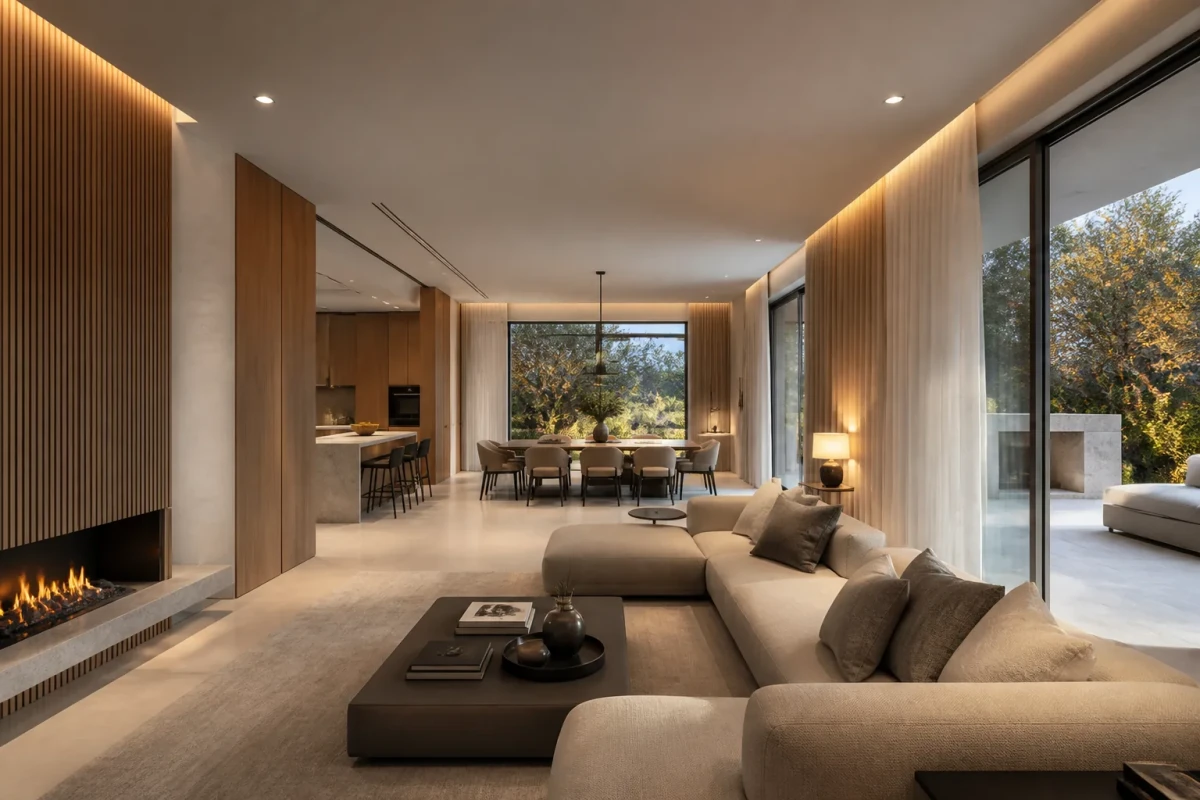
From device lists to lived scenarios
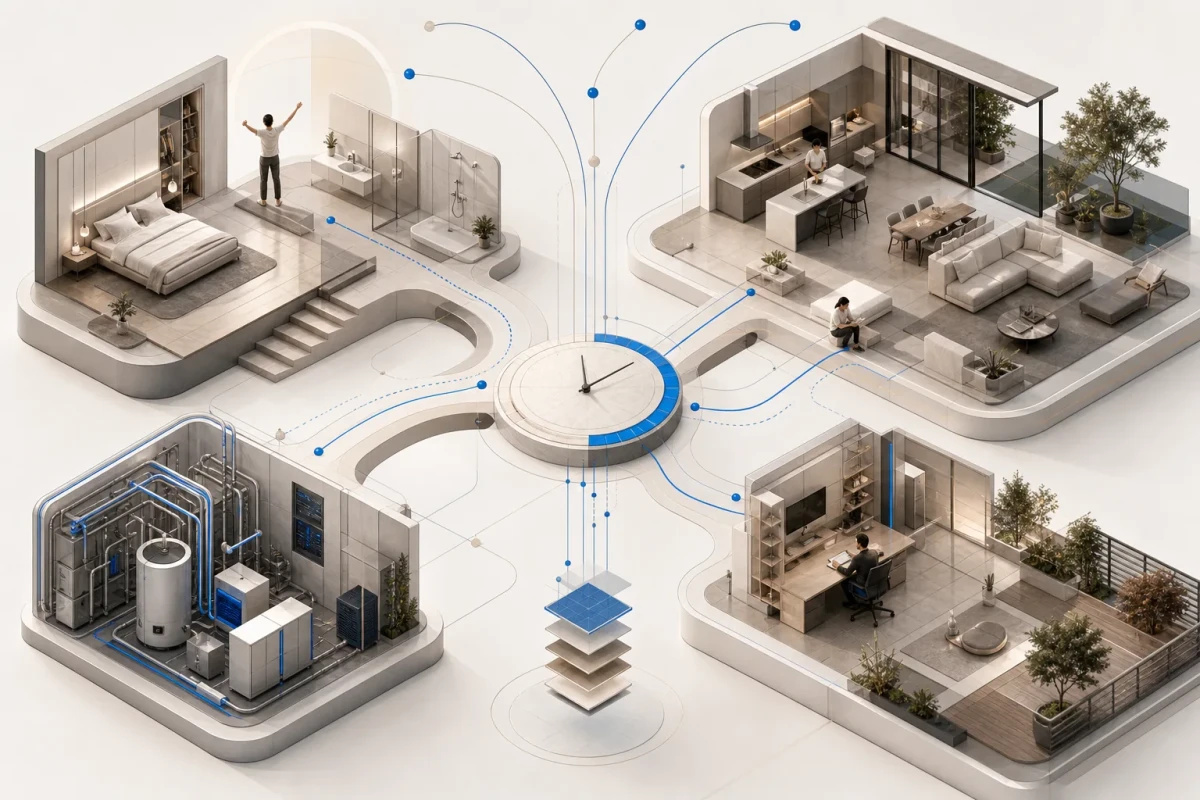
The most common mistake is to list devices before defining their purpose. The essential question is what the space should do for its occupants at a particular place and time. Arrival and sleep should be understood as lived scenarios coordinating lighting, curtains, climate, security and physical control.
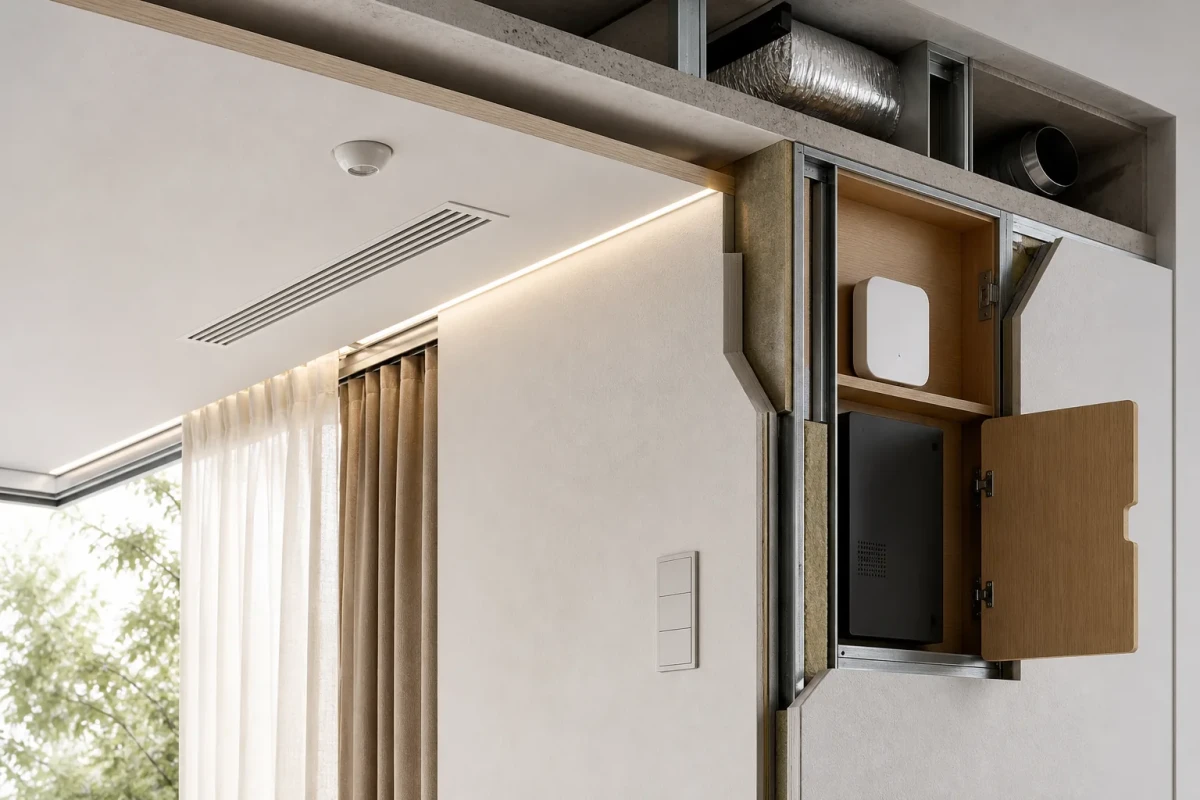
Walls and ceilings are no longer only visual surfaces
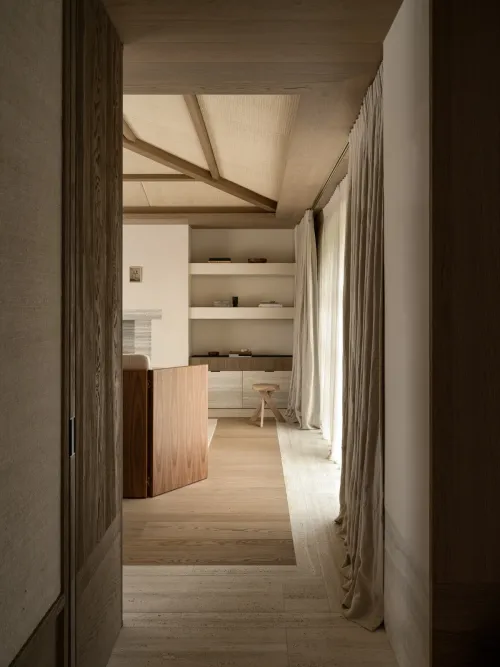
Walls and ceilings may accommodate controls, sensors, gateways, drivers, air outlets and luminaires. Mature concealment reduces visual noise only after coverage, signal, ventilation, power and service access have been secured.
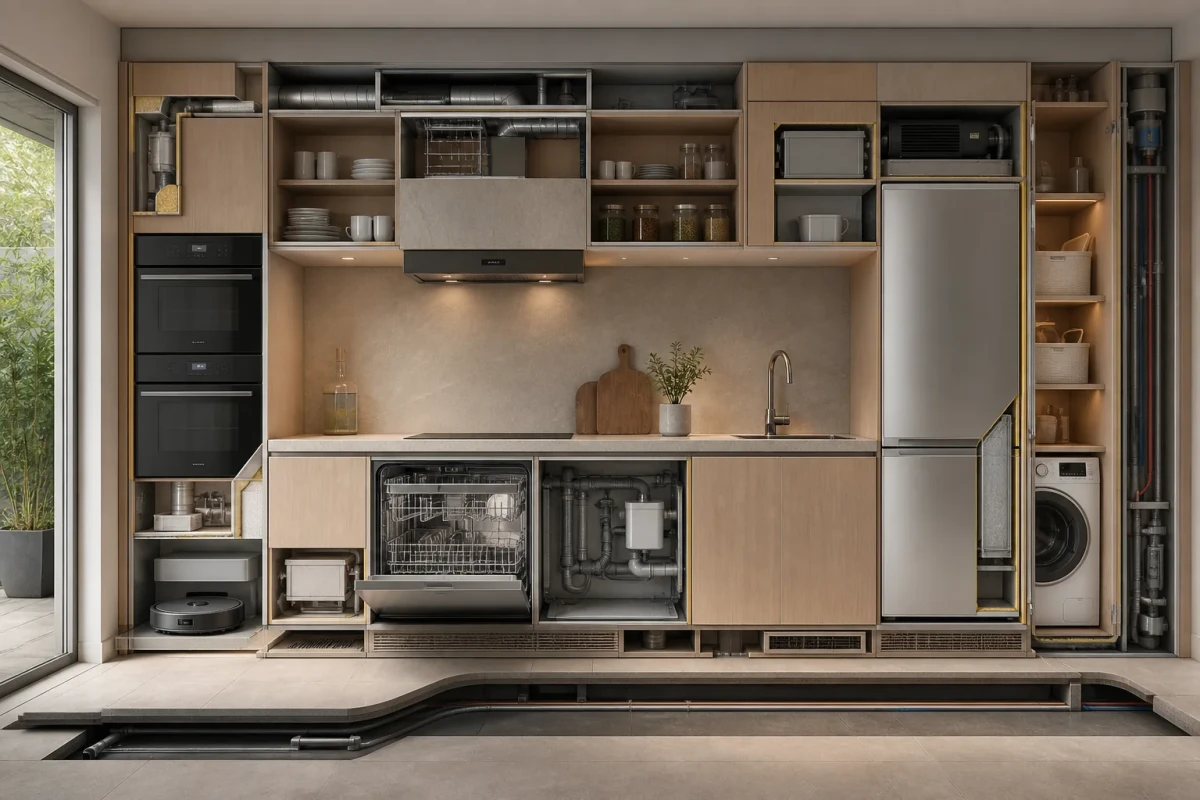
Smart appliances are rewriting kitchens and utility spaces
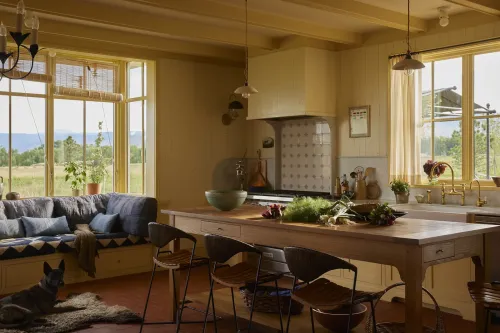
Connected appliances push joinery beyond external dimensions. Door clearances, airflow, water, drainage, power, connectivity, resetting, filter changes and replacement space must be defined early.
Lighting moves from circuit control to scenario design
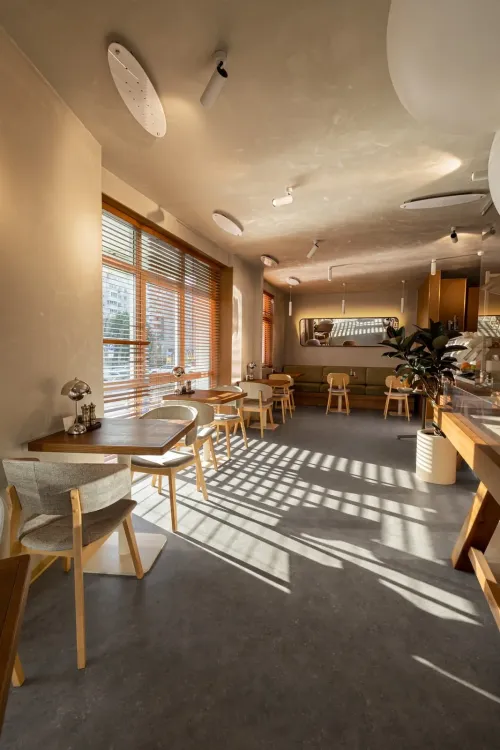
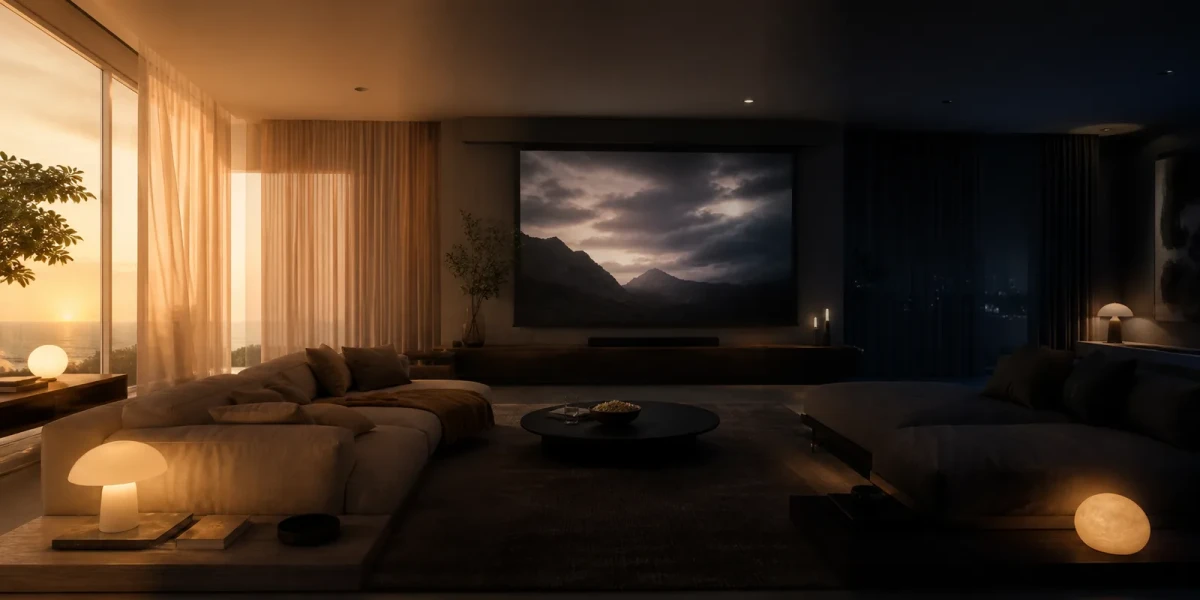
Smart lighting must define intensity, direction, shading and how manual commands override automation, not just positions and circuits. More scenes do not guarantee a better experience; clear priorities and intuitive physical control matter more.
Open standards reduce silos, but not spatial problems
The Connectivity Standards Alliance released Matter 1.6 in 2026, including pre-configuration, multi-ecosystem management and context-driven thermostat suggestions. Publication does not mean every product implements these features.
Maintenance and handover become part of design
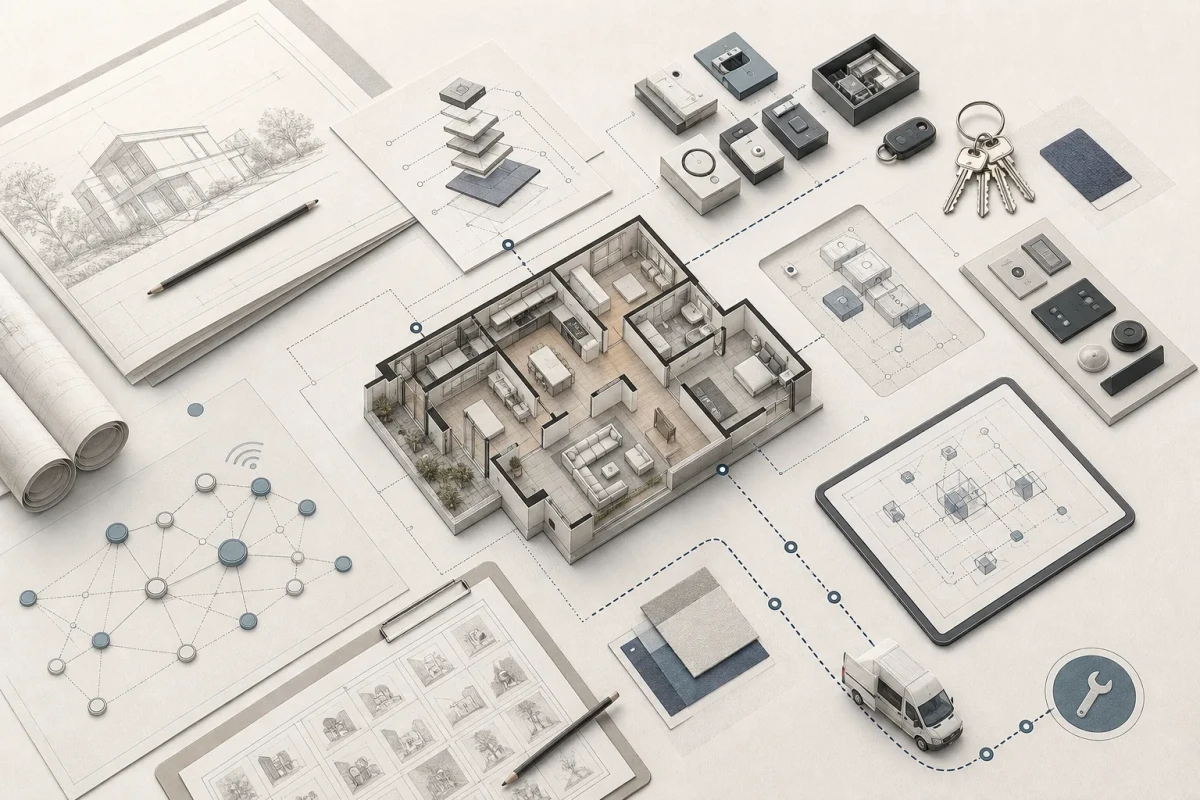
A system is complete when residents can understand, use and maintain it. Handover should include equipment, point and network records, scene schedules, permissions, troubleshooting, reset and replacement guidance.
01DES View: the real design outcome is choice
Whole-home intelligence is most valuable when technology does not become the protagonist, but lets the home adapt while preserving basic usability. Designers must translate invisible technical conditions into usable, maintainable and adaptable space.