PUBLIC SPACES · LONDON
Within Battersea Power Station’s brick walls and steel structure, Apple brings performance, spatial audio, filming, mixing and broadcasting into one permanent music venue.
Industrial structure as a performance backdrop
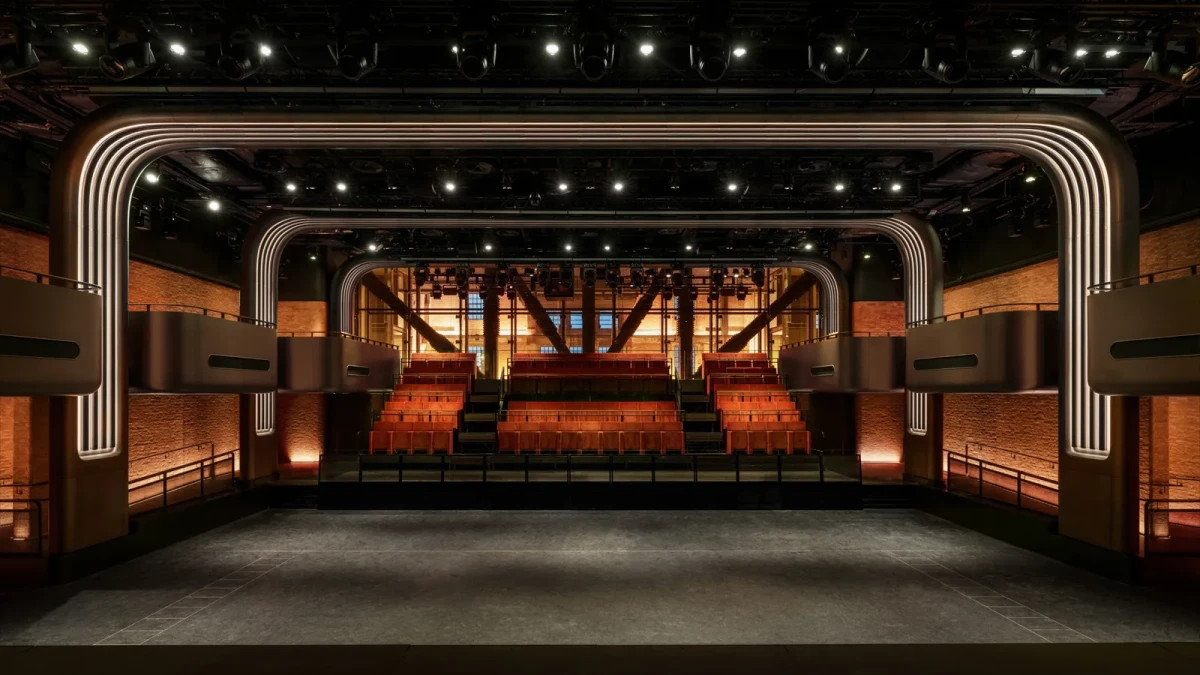
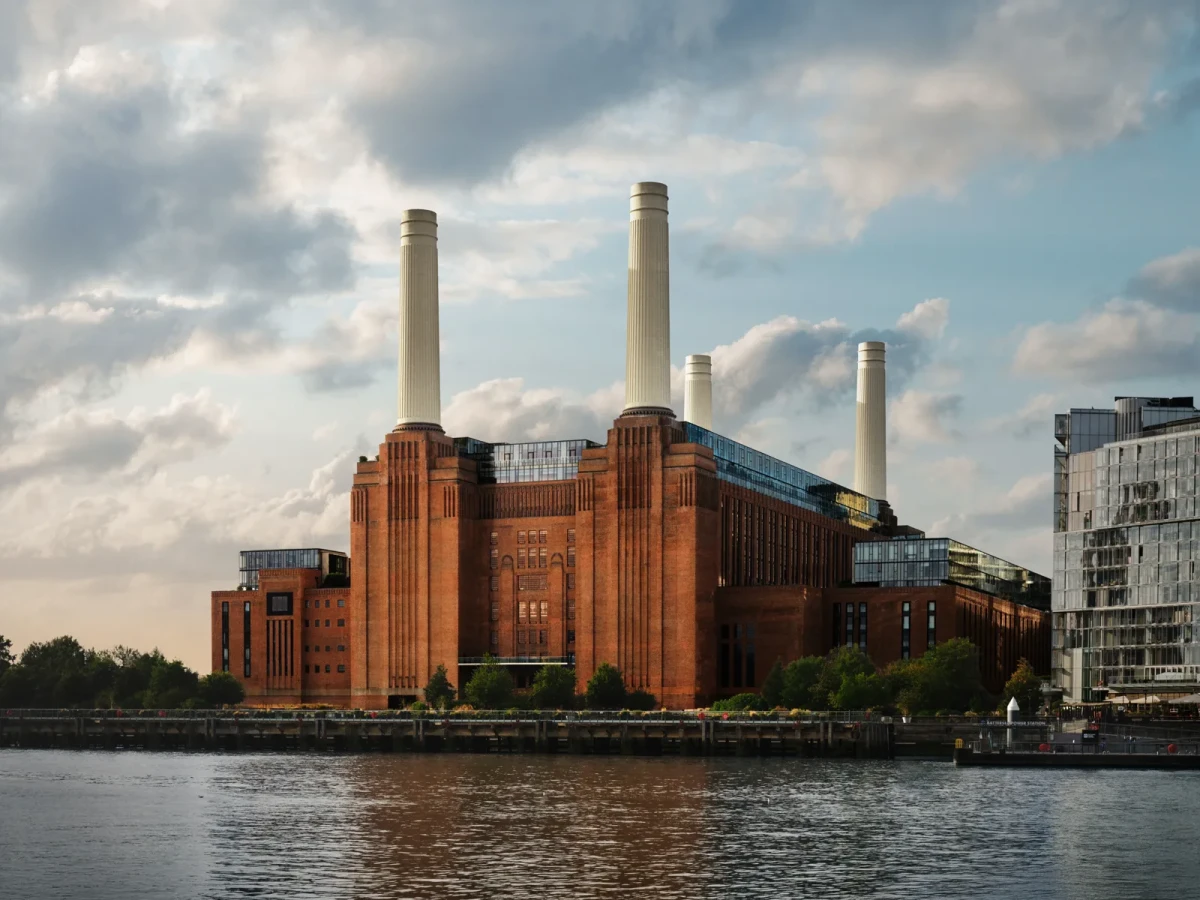
Apple Music Hall occupies the northern end of London’s Battersea Power Station. The 600-seat venue is Apple’s first permanent live music space and overlooks Turbine Hall A beside the company’s European headquarters.
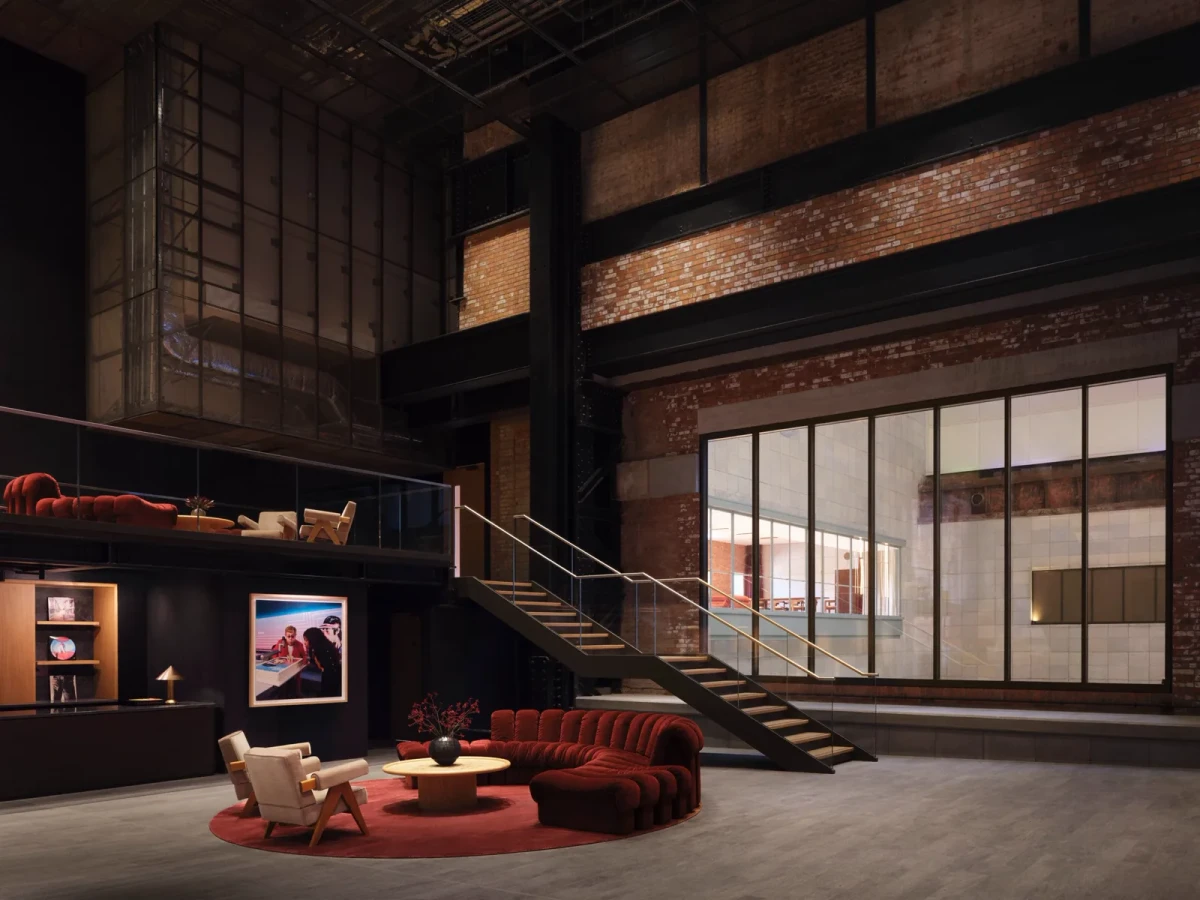
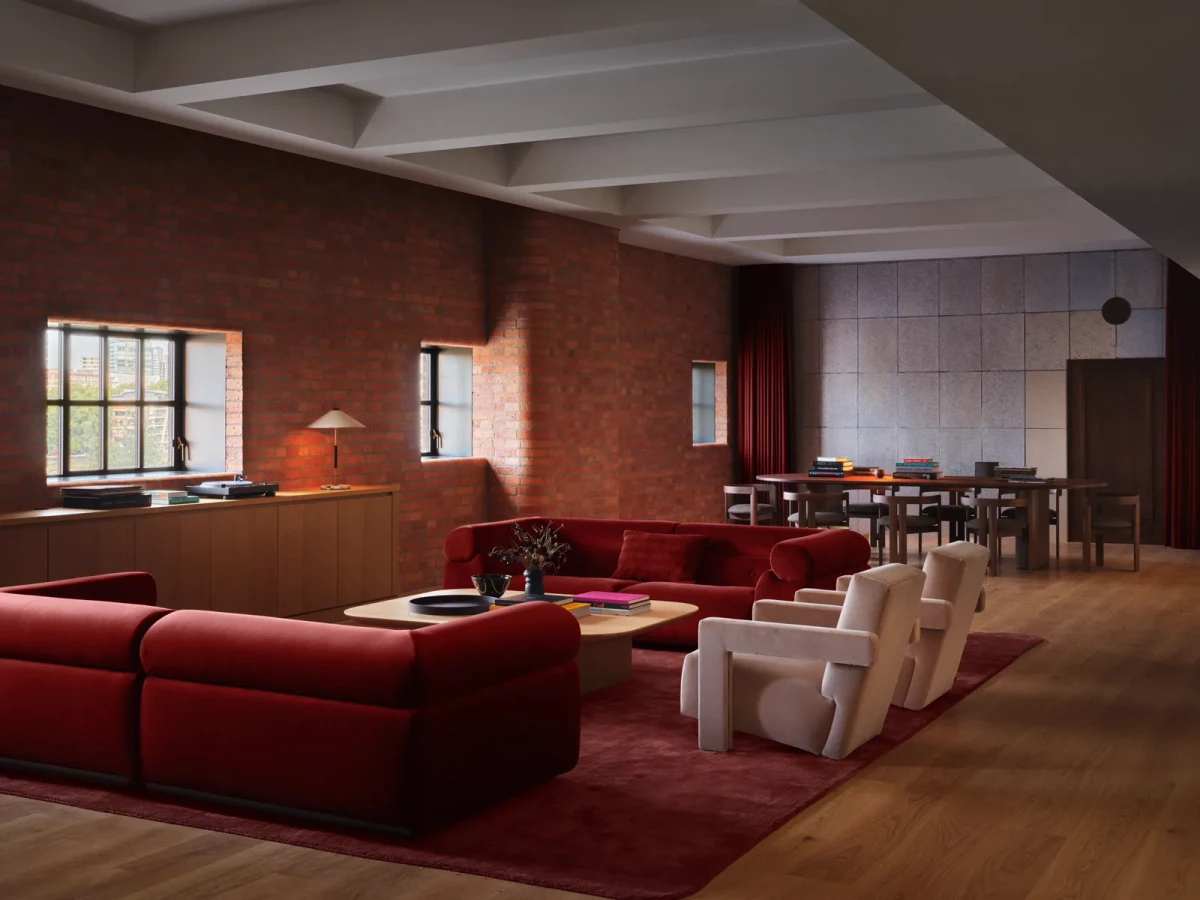
Designed by Apple’s in-house team led by Apple Places vice president Kristina Raspe, the hall retains the flanking brick walls and monumental steel joists behind the stage.
Art deco reimagined through light and viewpoints
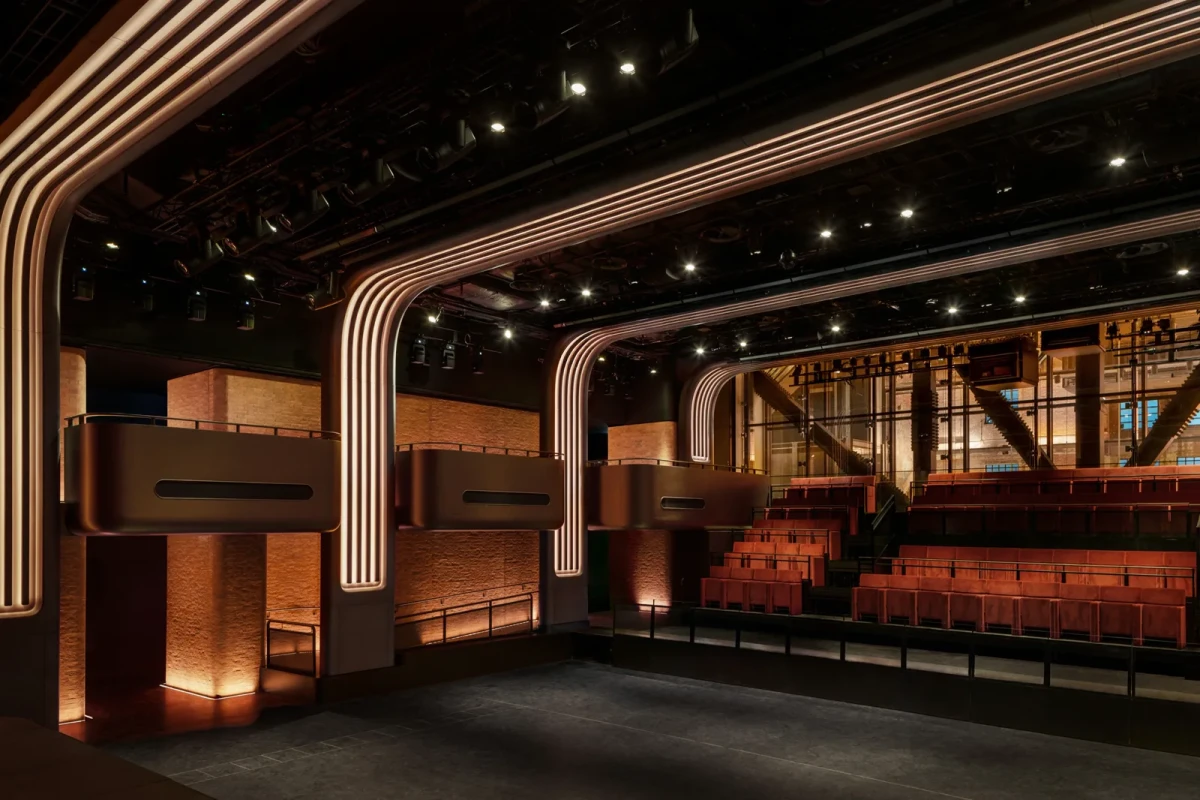
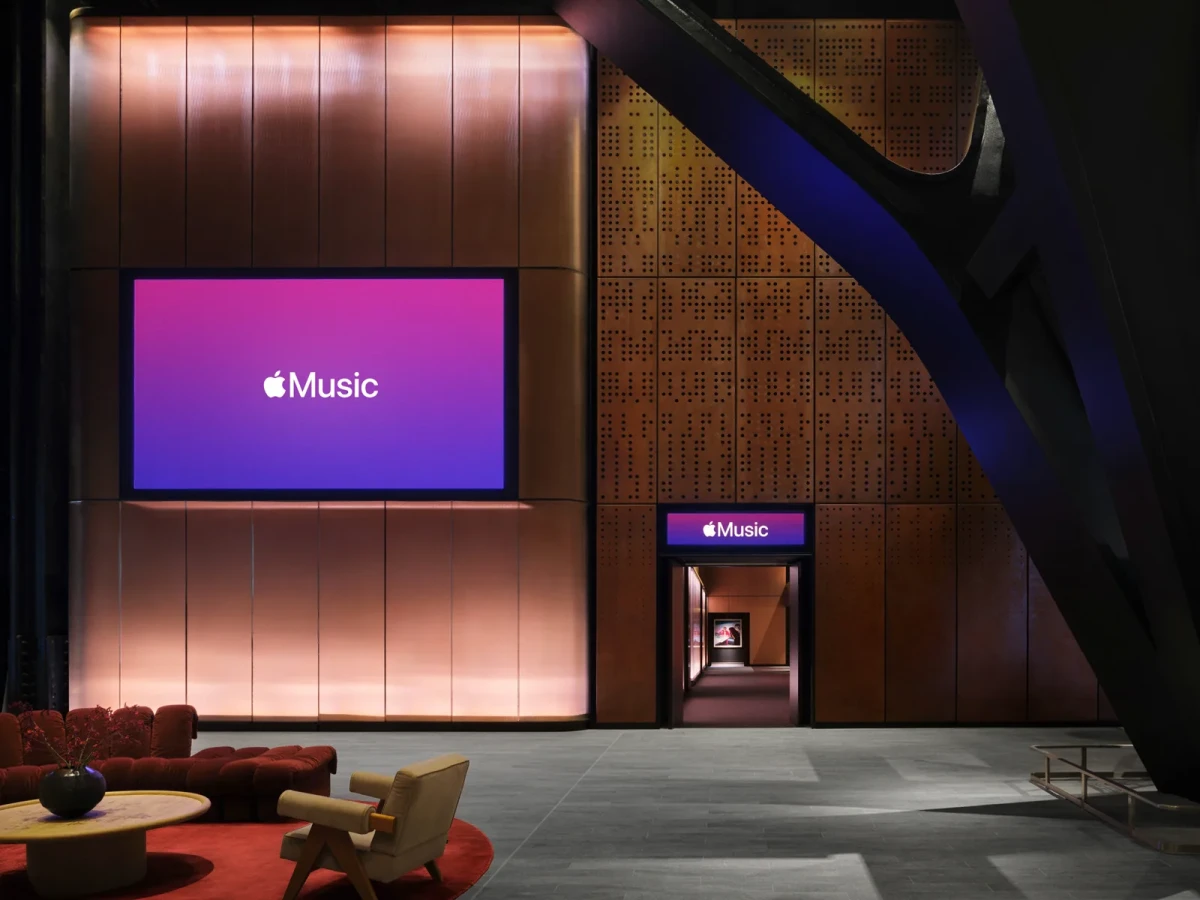
Four illuminated streamlined arches reinterpret the power station’s art deco language. Bronze balconies inserted between them create smaller viewing rooms overlooking the main hall.
One performance, a complete production workflow
The 11.5-metre-wide stage supports seated, standing and hybrid configurations. A 48-speaker spatial sound system and 16 hardwired cameras capture sound and moving image together.
Two professional recording and mix studios allow a single show to yield a Spatial Audio recording, a broadcast-ready mix and multicamera video. Apple Music Radio has also moved into the building.
A new cultural layer within a regenerated landmark
Designed by Giles Gilbert Scott, Battersea Power Station reopened in 2022 after WilkinsonEyre’s refurbishment and roughly four decades of dereliction. Apple Music Hall adds a permanent layer of live cultural production.
Apple Music Hall does more than place new technology inside an old building; it allows industrial structure to keep shaping how sound, viewing and production unfold.
Project credits
Project — Apple Music Hall
Design — Apple in-house design team
Design lead — Kristina Raspe, Vice President, Apple Places
Original architecture — Giles Gilbert Scott
Power station refurbishment — WilkinsonEyre
Images courtesy of — Apple
Original feature — Dezeen
Editorial adaptation — 01DES